1. What is a centralised dust collector system and how does it work?
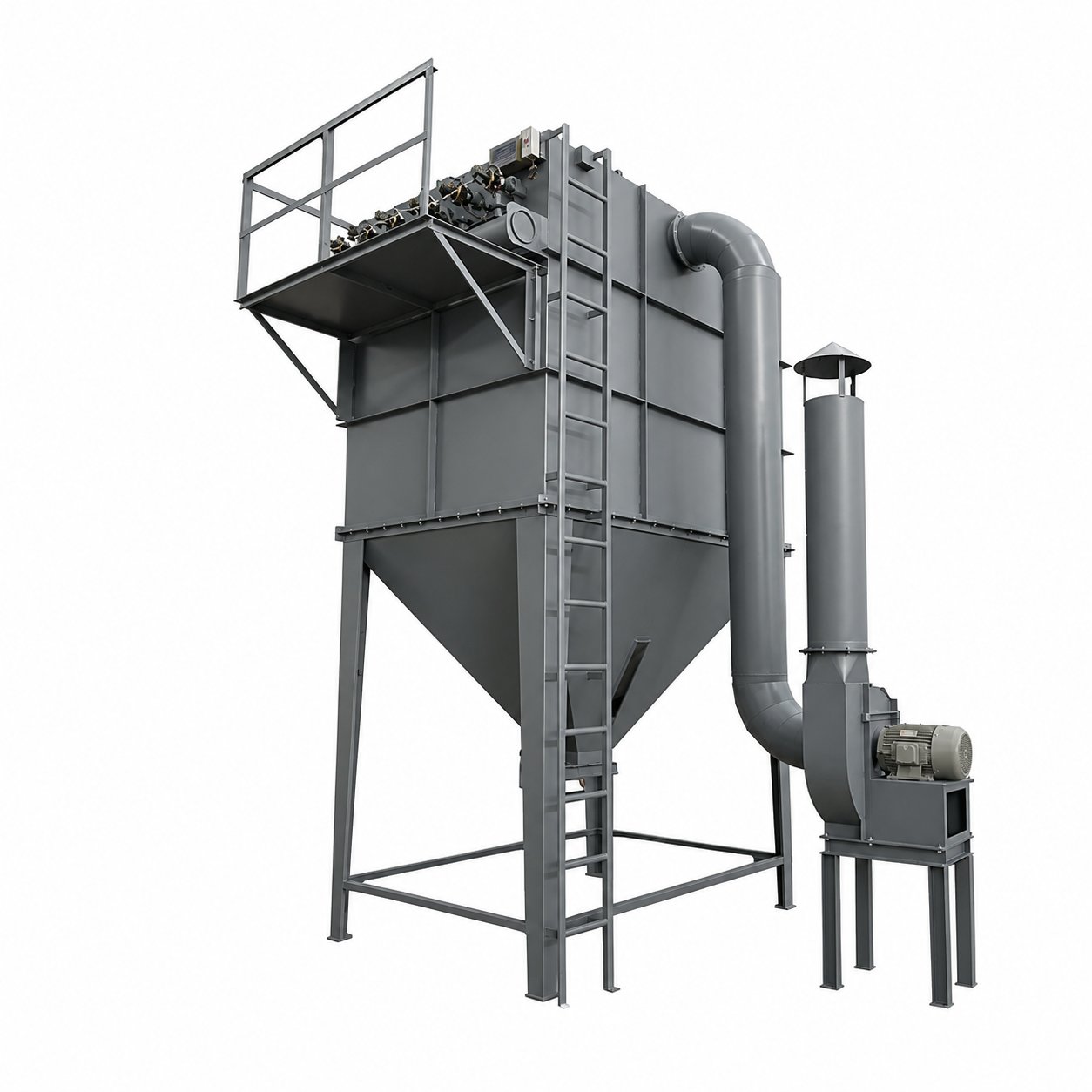
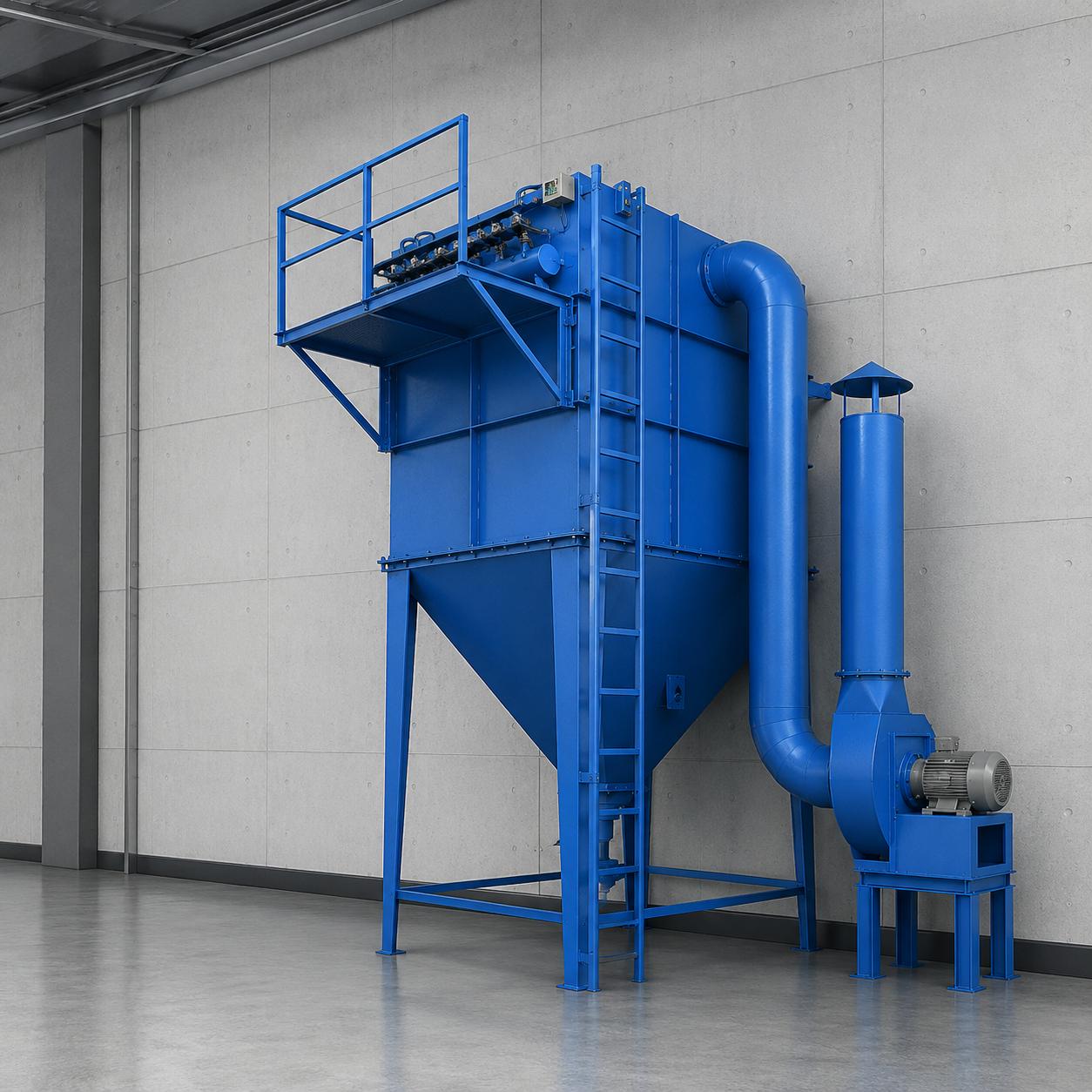
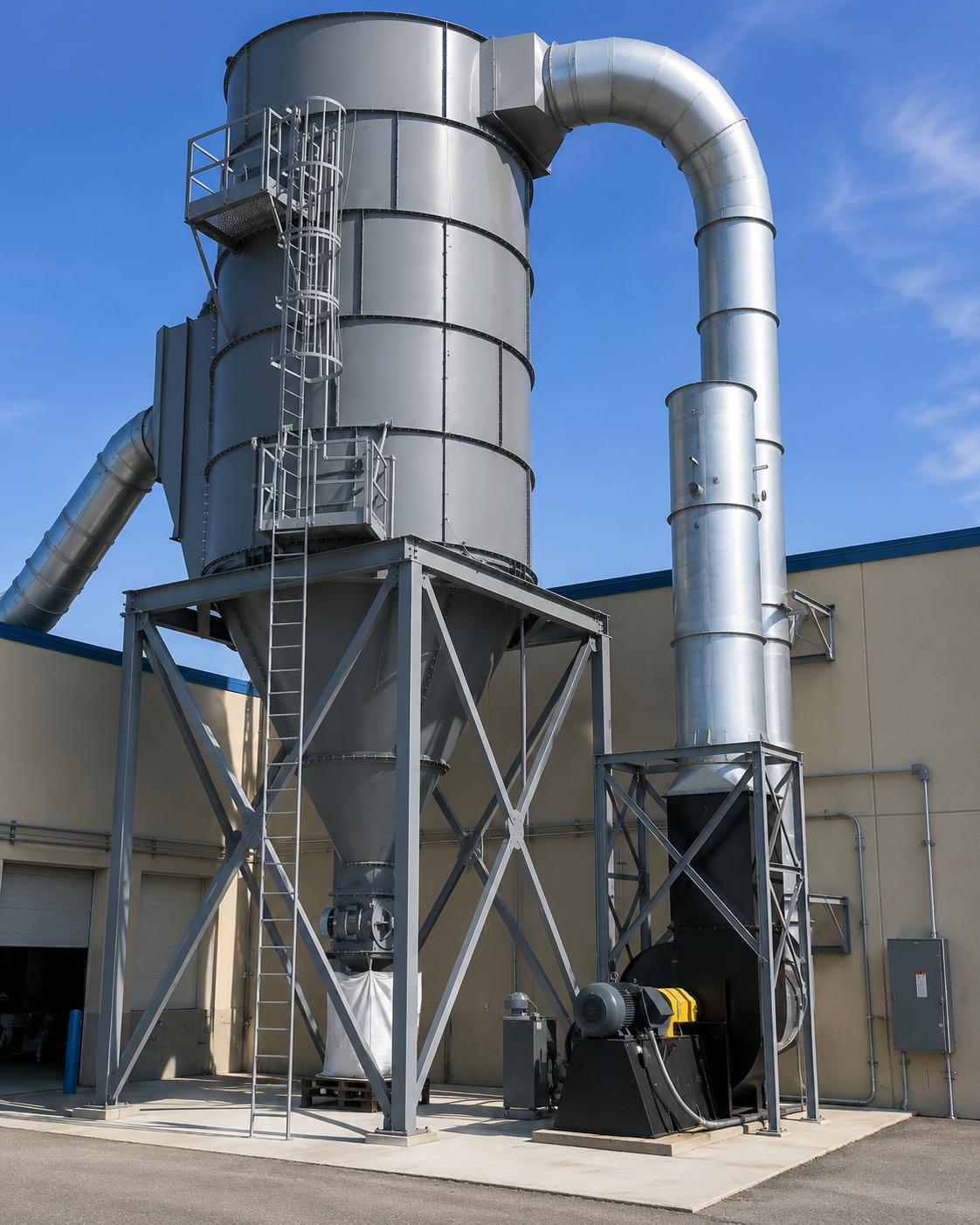
A centralised dust collector system is an engineered air pollution control solution that captures dust from multiple machines through a connected duct network. Dust is extracted at the source, transported through ducts at controlled velocity, filtered in a central unit, and discharged safely. This system improves air quality, protects workers, and ensures consistent industrial dust control performance.
2. Why is industrial dust collection important for worker safety?
Industrial dust can cause respiratory illnesses, long-term lung damage, and workplace accidents due to poor visibility or slippery surfaces. Fine particles may also create combustible dust hazards. A properly designed dust collection system reduces airborne contaminants, supports occupational safety compliance, and creates a healthier work environment for employees operating in manufacturing and processing facilities.
3. How do I choose the right dust collector for my factory?
Selecting the right dust collector depends on airflow requirements (CFM), dust particle size, material type, operating hours, and the number of extraction points. A professional site evaluation is necessary to calculate static pressure, duct length, and filtration needs. Custom design ensures optimal performance, energy efficiency, and long-term reliability for your specific production environment.
4. What industries in Dubai require centralised dust extraction systems?
Industries such as metal fabrication, woodworking, cement processing, food production, pharmaceuticals, automotive workshops, and heavy manufacturing require efficient dust control systems. In Dubai’s regulated industrial environment, proper dust extraction is essential to maintain indoor air quality, meet safety standards, and prevent operational disruptions caused by excessive dust accumulation.
5. What are the benefits of a centralised duct collector compared to portable units?
Centralised systems handle multiple machines through one integrated network, providing consistent airflow and better dust capture efficiency. They reduce maintenance complexity, save floor space, and support large-scale operations more effectively than standalone units. For factories with continuous production, centralised collectors offer improved durability and long-term operational cost savings.
6. How does proper duct design improve dust collection efficiency?
Correct duct sizing ensures dust particles remain suspended and do not settle inside pipes. Poor design can cause pressure loss, blockages, and reduced suction power. Professional duct engineering includes smooth bends, balanced airflow, and correct velocity calculations to maintain efficient dust transport and prevent system performance issues over time.
7. Can industrial dust cause fire or explosion risks?
Yes, combustible dust such as wood, metal, or chemical particles can ignite under certain conditions. Accumulated dust combined with heat or sparks creates serious fire hazards. Advanced dust collection systems may include spark arrestors, explosion vent panels, and proper grounding to reduce ignition risks and enhance industrial safety compliance.
8. How often should a centralised dust collector system be maintained?
Routine inspection is recommended monthly, with filter cleaning or replacement depending on dust load and operational hours. Preventive maintenance ensures optimal airflow, reduces breakdown risks, and extends system lifespan. Regular servicing also helps maintain compliance with workplace safety and environmental standards in industrial facilities.
9. What is the installation process for a dust collection system?
Installation begins with site assessment and airflow calculations, followed by duct fabrication, equipment placement, and system integration. Proper sealing, structural supports, and airflow testing are critical during installation. A professional installation ensures balanced suction, minimal leakage, and smooth system performance without interrupting factory operations.
10. How long does it take to install an industrial dust collector?
Installation time depends on factory size, number of extraction points, duct complexity, and production schedule. Small systems may take several days, while larger industrial plants may require weeks. Proper planning ensures minimal downtime and seamless integration with existing machinery and operational workflows.
11. Can an existing factory upgrade to a centralised dust collection system?
Yes, existing facilities can retrofit centralised duct collector systems. Engineers assess the current layout, machinery positions, and airflow needs to design a compatible solution. Upgrading improves dust control efficiency, enhances air quality, and supports expanding production requirements without requiring a complete facility redesign.
12. What factors affect the cost of industrial dust collector installation in Dubai?
Cost depends on airflow capacity, duct length, material type, filtration technology, installation complexity, and safety features. Custom-designed systems may vary in price based on operational demands. Investing in a properly engineered solution reduces long-term maintenance costs and prevents productivity losses caused by dust-related equipment damage.
13. How does a dust collector improve equipment performance?
Dust accumulation inside machinery can cause overheating, mechanical wear, and reduced efficiency. By removing airborne particles at the source, dust collectors prevent buildup on equipment surfaces and moving components. Cleaner machinery operates more reliably, experiences fewer breakdowns, and maintains consistent production output.
14. Are dust collectors required for regulatory compliance in Dubai?
Many industrial sectors in Dubai must meet occupational safety and environmental guidelines related to air quality and dust emissions. Proper dust extraction systems help businesses comply with local regulations, avoid penalties, and maintain a safe working environment aligned with industrial best practices.
15. Why choose a professional supplier for centralised duct collector supply and installation?
Professional suppliers provide customised engineering, accurate airflow calculations, durable materials, and expert installation. Poorly designed systems can fail prematurely and increase operational risks. Working with experienced specialists ensures long-term reliability, energy efficiency, safety compliance, and consistent dust control performance in demanding industrial environments.