1. What is an industrial fan and how is it different from a normal fan?
An industrial fan is a heavy-duty air-moving system designed to operate continuously in large spaces and demanding environments. Unlike household fans, industrial fans are built with stronger materials, larger motors, and higher airflow capacity to handle factories, warehouses, and production facilities. They are engineered for durability, efficiency, and performance in conditions such as high temperature, dust, or humidity.
2. Where are industrial fans commonly used?
Industrial fans are widely used in manufacturing plants, warehouses, workshops, logistics centers, commercial kitchens, construction sites, agricultural facilities, and other large industrial spaces. They help maintain proper ventilation, control heat buildup, remove stale air, and improve overall working conditions, especially in areas where air conditioning is not practical.
3. What are the main types of industrial fans?
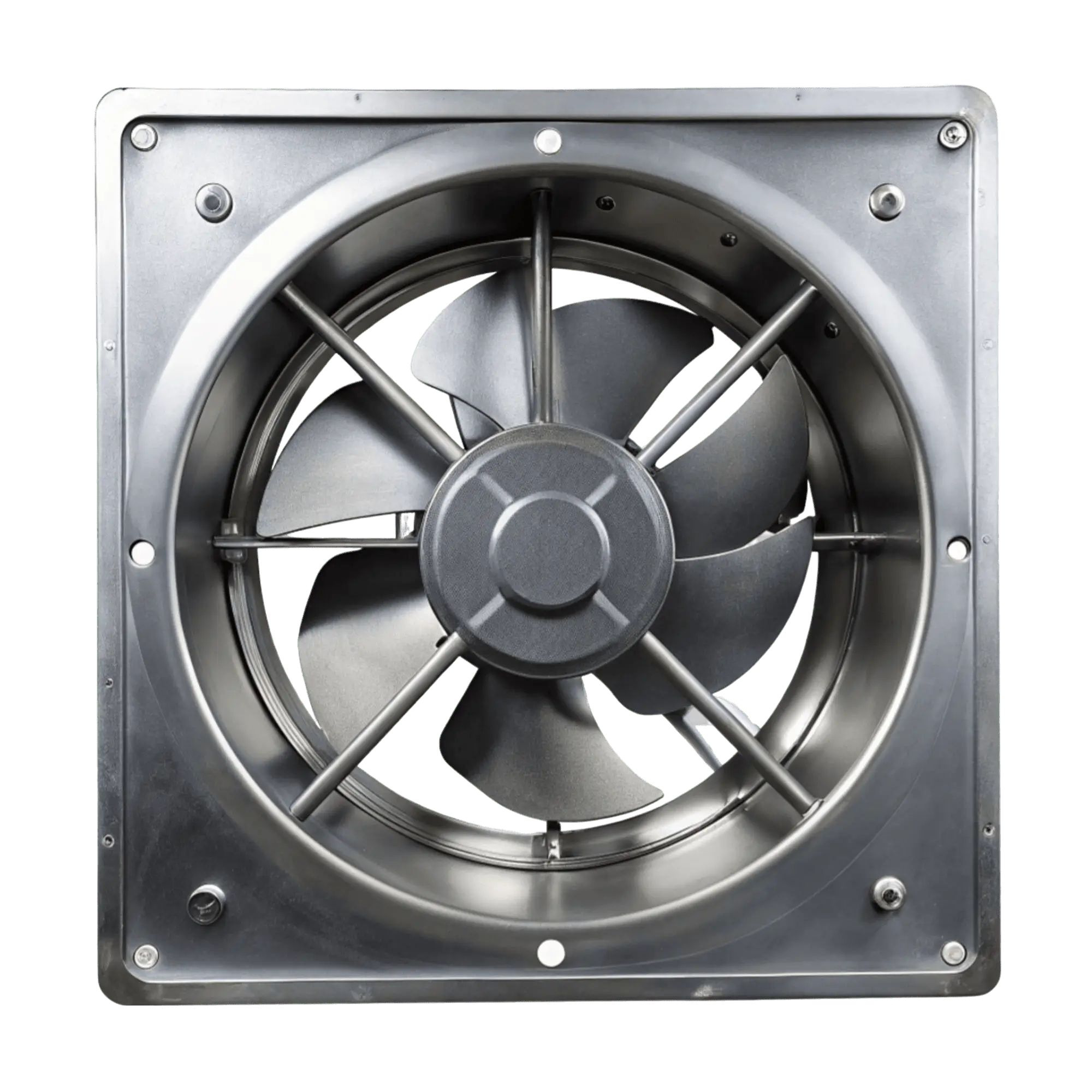
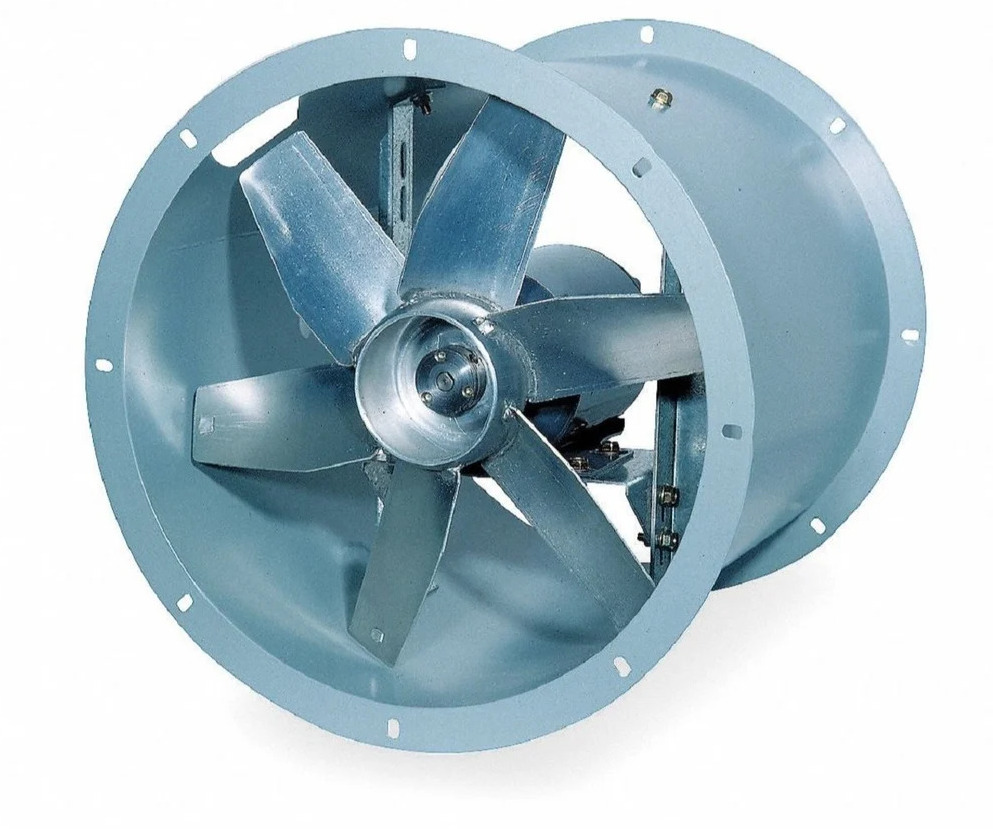
The main types of industrial fans include axial fans, centrifugal fans, HVLS (High Volume Low Speed) fans, and inline duct fans. Axial fans move large volumes of air for general ventilation, while centrifugal fans generate higher pressure for ducted systems and exhaust applications. HVLS fans are ideal for cooling very large open spaces with low energy use, and inline fans are installed within duct systems to boost airflow.
4. How do I choose the right industrial fan for my facility?
Choosing the right industrial fan depends on several factors such as the size of the area, ceiling height, required airflow, temperature conditions, presence of dust or fumes, installation location, and energy efficiency requirements. A proper site assessment helps determine the appropriate fan type, capacity, and configuration to ensure effective ventilation and long-term performance.
5. What is CFM and why is it important?
CFM, or Cubic Feet per Minute, measures the volume of air a fan can move in one minute. It is a critical specification when selecting an industrial fan because it determines how effectively the fan can ventilate or cool a space. Higher CFM ratings are typically required for larger areas or environments with significant heat buildup.
6. Are industrial fans energy-efficient?
Modern industrial fans are designed to deliver high airflow while minimizing energy consumption. Many models use energy-efficient motors, aerodynamic blades, and advanced control systems to reduce operating costs. HVLS fans, in particular, can circulate air across large areas using significantly less electricity compared to multiple small fans or air-conditioning systems.
7. Can industrial fans reduce workplace temperature?
Industrial fans do not lower the actual air temperature but create strong air circulation that produces an evaporative cooling effect on the human body. This makes workers feel significantly cooler and more comfortable, helping to reduce heat stress and improve productivity, especially in hot environments such as factories and warehouses.
8. What industries benefit most from industrial fans?
Industrial fans are essential across many sectors including manufacturing, automotive, food processing, pharmaceuticals, textiles, logistics, agriculture, and heavy engineering. Any industry that operates in large indoor spaces or generates heat, fumes, or dust can benefit from improved ventilation and air movement.
9. Are industrial fans suitable for dust, fumes, or smoke removal?
Yes, certain types of industrial fans, especially centrifugal exhaust fans, are specifically designed to remove contaminated air, dust particles, fumes, smoke, and odors from indoor environments. When paired with proper filtration or duct systems, they help maintain safe air quality and comply with occupational safety standards.
10. How noisy are industrial fans during operation?
Noise levels vary depending on the fan type, size, speed, and installation method. Many modern industrial fans are engineered with noise-reduction features such as balanced blades and vibration-control systems. Selecting the correct fan for the application can ensure efficient performance without excessive noise disruption.
11. Can industrial fans operate continuously?
Industrial fans are built for long operating hours and can run continuously when properly installed and maintained. They use robust motors, durable bearings, and heavy-duty components designed to withstand nonstop industrial use, making them reliable for critical ventilation needs.
12. What maintenance is required for industrial fans?
Regular maintenance typically includes cleaning blades, checking motor performance, inspecting electrical connections, lubricating moving parts, and ensuring proper alignment. Scheduled servicing helps prevent breakdowns, maintains efficiency, and extends the lifespan of the equipment.
13. Are industrial fans safe to use in harsh environments?
Yes, many industrial fans are designed specifically for challenging conditions such as high temperatures, humidity, dust, corrosive air, or hazardous environments. Specialized models with protective coatings, sealed motors, or explosion-proof designs are available for demanding industrial applications.
14. Can industrial fans be installed in existing buildings?
Industrial fans can usually be installed in existing facilities without major structural changes. Options include wall-mounted, ceiling-mounted, floor-standing, or duct-integrated installations, depending on space availability and ventilation requirements. Professional installation ensures optimal airflow and safety.