1. What is Marine Exhaust and Ventilation?
Marine Exhaust and Ventilation refers to engineered systems designed to remove engine exhaust gases, heat, fumes, and stale air from vessels while supplying fresh air to enclosed spaces. These systems ensure safe airflow, temperature control, and regulatory compliance on ships, offshore platforms, and marine facilities operating in harsh sea conditions.
2. Why is Marine Exhaust and Ventilation important for ships?
Proper Marine Exhaust and Ventilation prevents heat buildup, removes toxic gases, and protects crew members from harmful fumes. Without efficient ventilation, engine rooms can overheat, equipment may corrode faster, and air quality can become unsafe. Reliable systems ensure operational safety and long-term vessel performance.
3. What are the main components of a Marine Exhaust and Ventilation system?
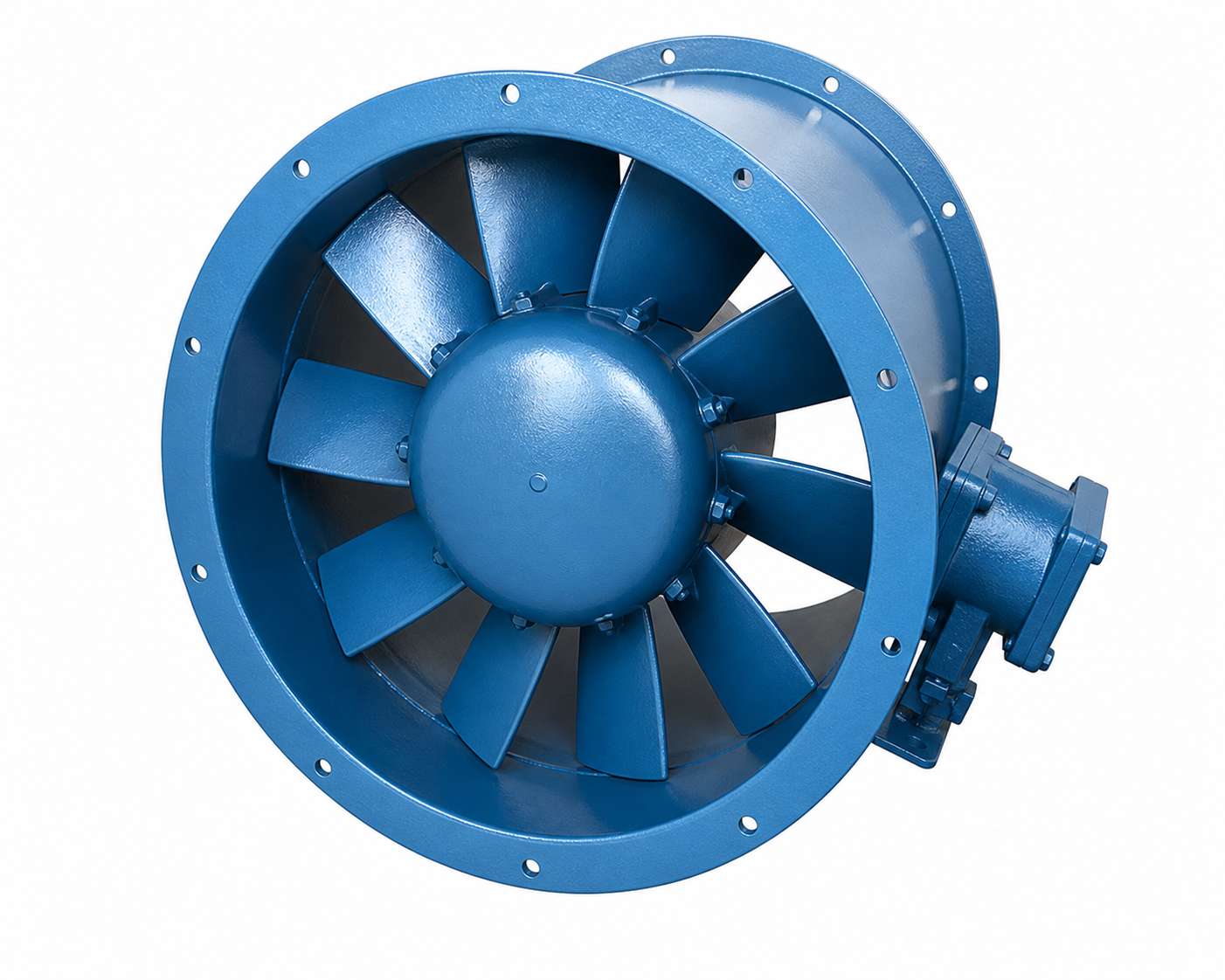
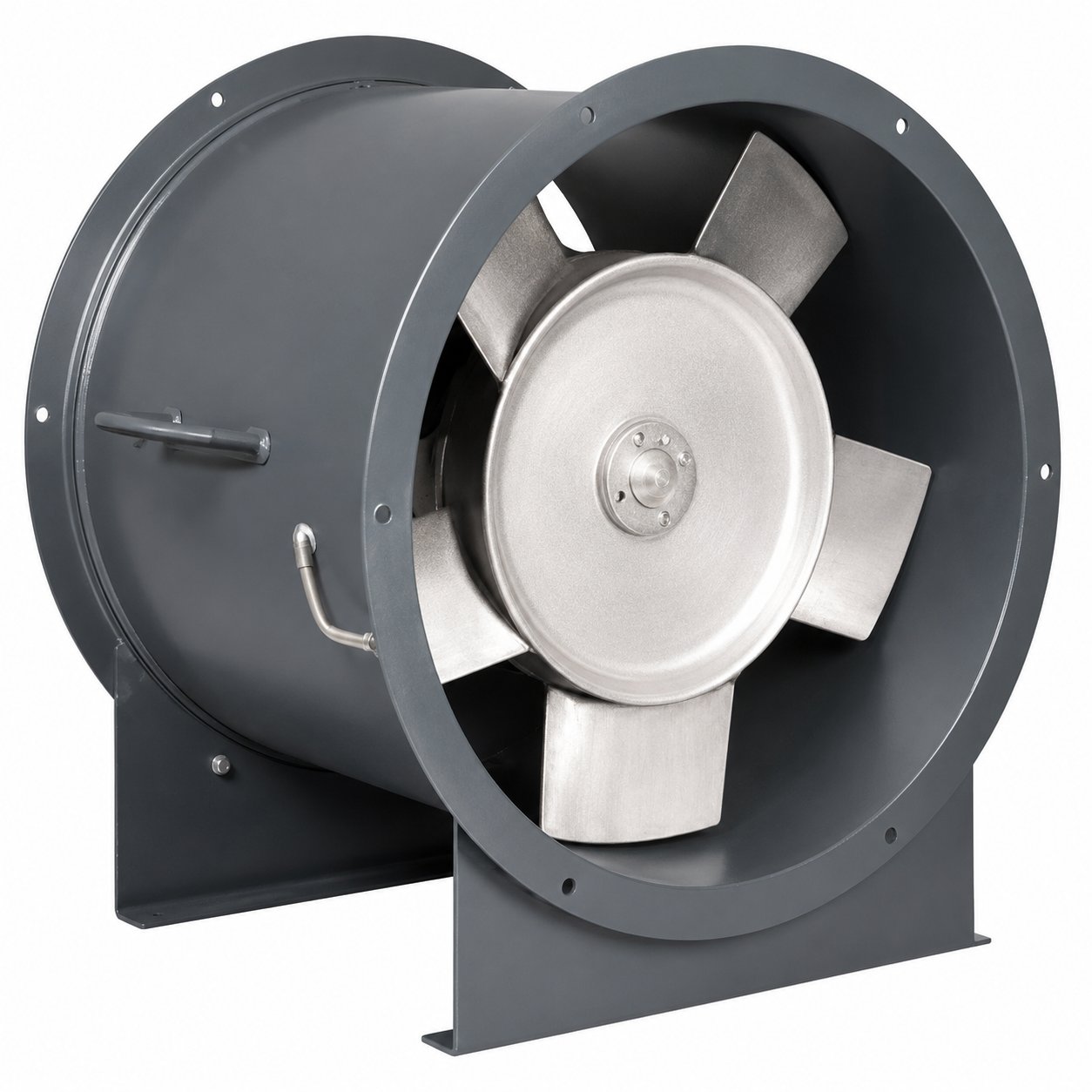
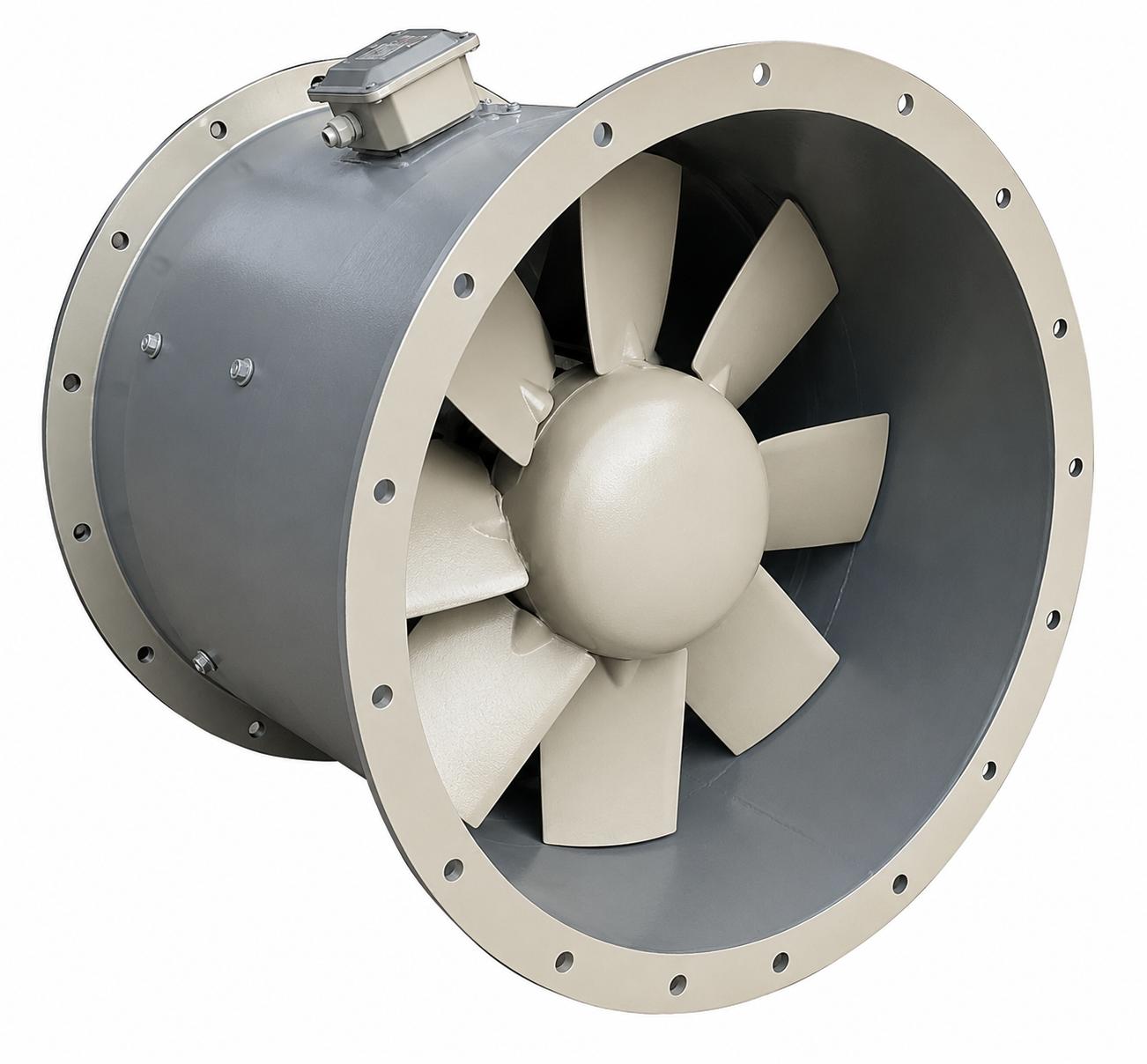
A Marine Exhaust and Ventilation system typically includes exhaust ducts, marine-grade fans, air intake systems, insulation, dampers, silencers, and corrosion-resistant ductwork. These components work together to control airflow, remove heat, and manage engine exhaust safely in confined marine environments.
4. How does marine engine room ventilation work?
Engine room ventilation supplies fresh air for combustion and removes excess heat generated by engines and machinery. Marine Exhaust and Ventilation systems maintain balanced airflow, ensuring proper oxygen levels while preventing overheating and equipment damage during continuous vessel operation.
5. What materials are used in Marine Exhaust and Ventilation systems?
Marine systems use corrosion-resistant materials such as marine-grade steel, aluminum, and coated ducting to withstand salt air and moisture exposure. Insulated exhaust pipes and vibration-resistant supports ensure durability under constant motion and harsh environmental conditions.
6. How do Marine Exhaust systems handle engine fumes?
Marine exhaust systems channel engine emissions through insulated ducting and exhaust stacks designed to safely discharge gases away from occupied areas. Proper routing prevents backflow, reduces heat transfer, and protects onboard crew from harmful exhaust exposure.
7. What vessels require Marine Exhaust and Ventilation systems?
Commercial ships, offshore platforms, cargo vessels, fishing boats, service vessels, and marine workshops all require Marine Exhaust and Ventilation systems. Any vessel with enclosed engine rooms or occupied compartments must have controlled airflow solutions for safety and compliance.
8. How does poor marine ventilation affect vessel performance?
Poor Marine Exhaust and Ventilation can lead to overheating, equipment corrosion, moisture buildup, and unsafe air quality. These issues increase maintenance costs, reduce engine efficiency, and create potential safety hazards for crew members working in confined spaces.
9. Are Marine Exhaust and Ventilation systems mandatory for compliance?
Yes, marine vessels must comply with safety regulations that require proper exhaust management and ventilation. Marine Exhaust and Ventilation systems are essential for meeting international maritime safety standards and protecting onboard personnel.
10. How is a Marine Exhaust and Ventilation system designed?
System design depends on vessel size, engine capacity, layout constraints, operational load, and airflow calculations. Engineers evaluate heat generation, exhaust volume, and space limitations to create custom Marine Exhaust and Ventilation solutions tailored to each vessel.
11. What is the lifespan of Marine Exhaust and Ventilation systems?
With proper maintenance, Marine Exhaust and Ventilation systems can operate reliably for many years. Durability depends on material quality, installation accuracy, and resistance to corrosion, vibration, and high temperatures in marine environments.
12. How often should marine ventilation systems be maintained?
Routine inspections should be conducted regularly to check duct integrity, fan performance, and insulation condition. Preventive maintenance ensures optimal airflow, reduces corrosion risks, and extends the service life of Marine Exhaust and Ventilation systems.
13. Can Marine Exhaust and Ventilation systems reduce onboard noise?
Yes, properly designed systems include noise-control components such as silencers and vibration isolators. These reduce operational noise levels, improving comfort for crew members and supporting smoother onboard working conditions.
14. What are the benefits of custom-designed Marine Exhaust and Ventilation systems?
Custom systems ensure proper airflow balance, efficient exhaust discharge, compliance with marine standards, and long-term durability. Tailored solutions adapt to vessel-specific layouts, preventing airflow inefficiencies common in generic installations.
15. Why choose a professional Marine Exhaust and Ventilation contractor in Dubai?
An experienced contractor provides accurate airflow calculations, marine-grade materials, compliance-focused designs, and skilled installation. Professional Marine Exhaust and Ventilation services ensure reliable performance at sea, enhanced safety, and long-term operational efficiency for vessels operating in demanding conditions.